
In today’s competitive dining landscape, a menu is far more than a list of dishes, it’s one of the most powerful tools a restaurant has to influence profitability, streamline operations, and shape guest perception. For modern hospitality brands like Soho Hospitality, smart menu engineering isn’t just a backend strategy, it’s a front-facing experience that benefits everyone involved.
From boosting high-margin items to enhancing the flow of service, menu engineering aligns business goals with guest satisfaction. When done right, it creates a seamless synergy between profit, people, and experience, where everyone truly wins.
What is Menu Engineering and Why Does It Matter?
Menu engineering is the strategic design and placement of menu items based on their popularity and profitability. It combines data analysis, psychology, and design to guide guest choices while maximizing revenue.
But beyond numbers, effective menu engineering shapes how guests interact with your brand. It answers questions like:
- What catches a guest’s eye first?
- Which dishes feel like “must-orders”?
- How can we subtly guide decisions without overwhelming the guest?
For restaurants with diverse offerings, like Nikkei cuisine, Peruvian-Japanese fusion, and curated cocktails, menu engineering becomes even more critical.
Profit Optimization: Highlighting High-Impact Dishes
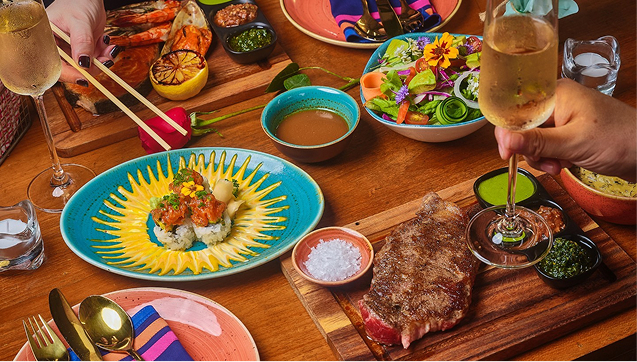
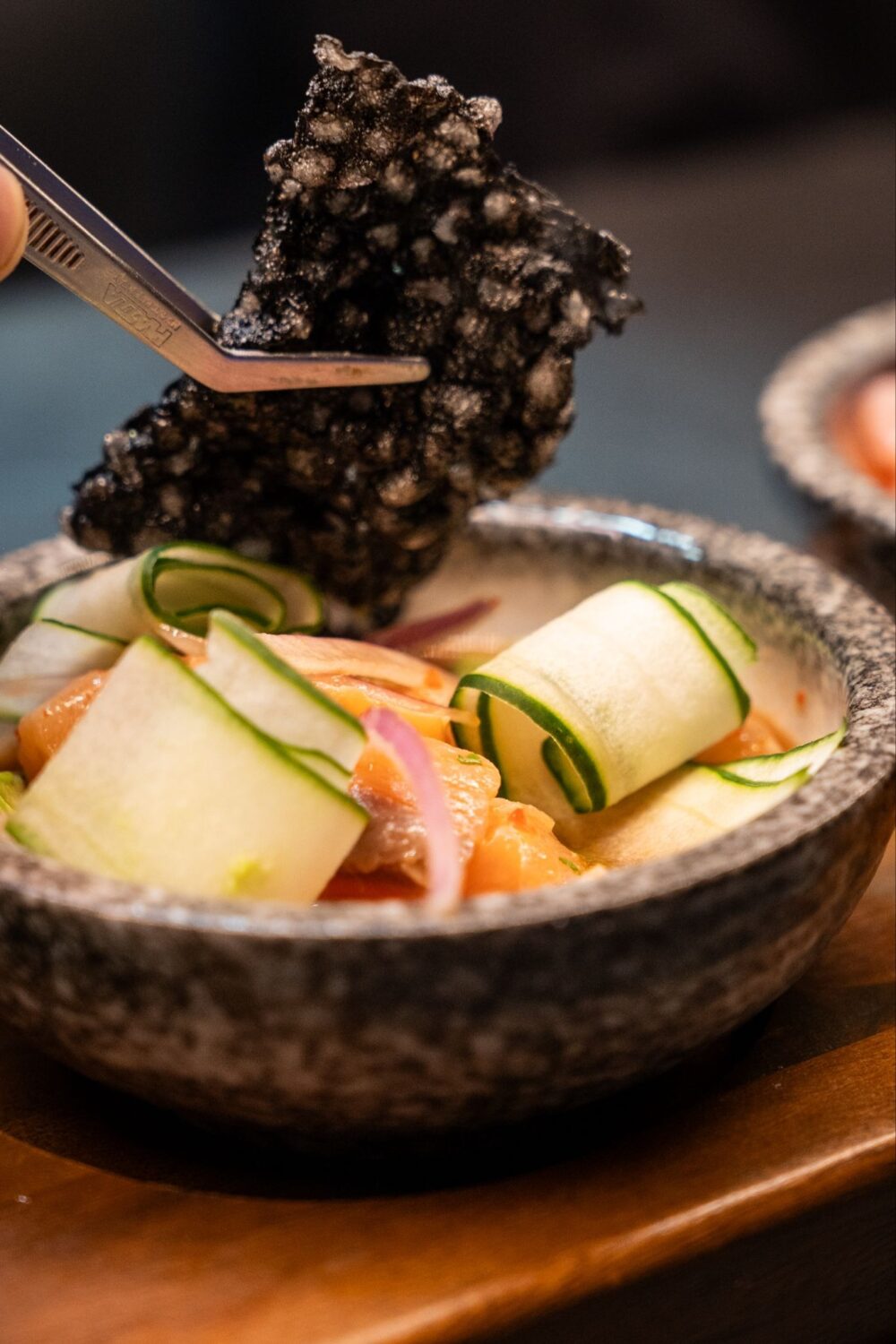
A well-engineered menu naturally draws attention to high-margin, signature items. For example, dishes like the Above Eleven Cebiche or the Salmon & Shrimp Tempura Roll combine strong guest appeal with premium positioning, making them ideal “stars” on our menu.
Similarly, in the beverage program, cocktails like the Pisco Sour or the Maracuja Sour stand out not only for their flavor profiles but also for their storytelling, rooted in Peruvian culture and crafted with high-quality ingredients.
By strategically placing these items in high-visibility sections and pairing them with subtle cues like “chef’s recommendation” or menu callouts, restaurants can increase order frequency without pushing guests too aggressively.
The result? Higher average spend per table, without compromising the dining experience.
Enhancing Guest Experience Through Simplicity
Menus that are too long or cluttered can overwhelm guests, leading to decision fatigue. Smart menu engineering simplifies choices by organizing dishes into clear categories and highlighting bestsellers.
Take, for instance, the structured flow of:
- Cebiches and Tiraditos for light, fresh starters
- Small Plates & Sharers for social dining
- Mains from the Josper Grill for premium, hearty options
This logical progression mirrors how guests naturally prefer to dine, starting light, sharing socially, and finishing with something substantial.
On the drinks side, separating sections like Peruvian Inspired Cocktails, Nikkei Fusion, and Mocktails helps guests quickly find what suits their mood, whether they’re exploring bold flavors or opting for non-alcoholic options.
The clearer the journey, the more confident and satisfied the guest feels.
Empowering Teams with Better Flow
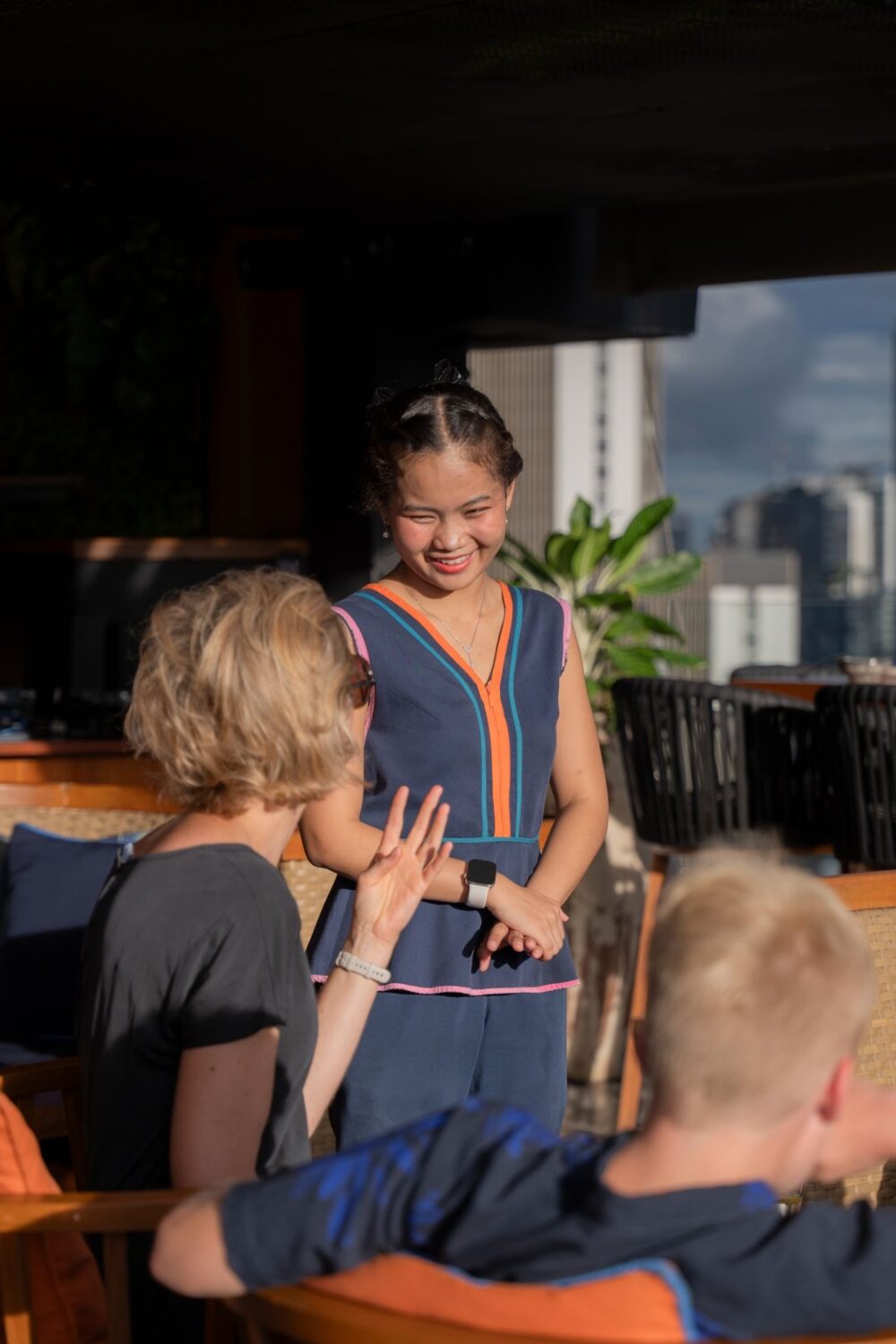
Menu engineering doesn’t just benefit guests, it has a direct impact on service teams and kitchen efficiency.
When menus are designed with operational flow in mind:
- Staff can recommend items more confidently
- Kitchen teams can prioritize high-demand dishes
- Service becomes faster and more consistent
For example, promoting dishes which follow standardized preparation methods, helps maintain speed and consistency during peak hours.
Likewise, a focused cocktail menu featuring signature drinks, allows bartenders to deliver quality quickly without compromising creativity.
When teams aren’t overwhelmed by overly complex menus, they perform better, and that energy translates directly to the guest experience.
Strategic Pricing: The Psychology Behind Spending
Menu engineering also leverages pricing psychology. Guests rarely evaluate prices in isolation, they compare them relative to other items on the menu. A well-placed premium item sets an anchor price, making mid-range dishes feel more approachable and encouraging guests to spend more comfortably without feeling pressured. Similarly, offering a range of price points across cocktails and beverages caters to different budgets while maintaining a premium overall perception.
Know Your PxP Matrix
At the heart of data-driven menu engineering is the Profitability and Popularity Matrix, or PxP. This simple but powerful tool maps every dish across two axes: how profitable it is, and how popular it is. The result? Four clear categories that tell you exactly what to promote, where to innovate, and what to review, redesign, or remove.
When menus are designed around this framework, results follow quickly. One hospitality group applied it to a room service menu and achieved a 30% sales increase, even as patient numbers declined in the same period. Same concept, same customers, different choices guided by data.
Storytelling: Turning Menus into Experiences
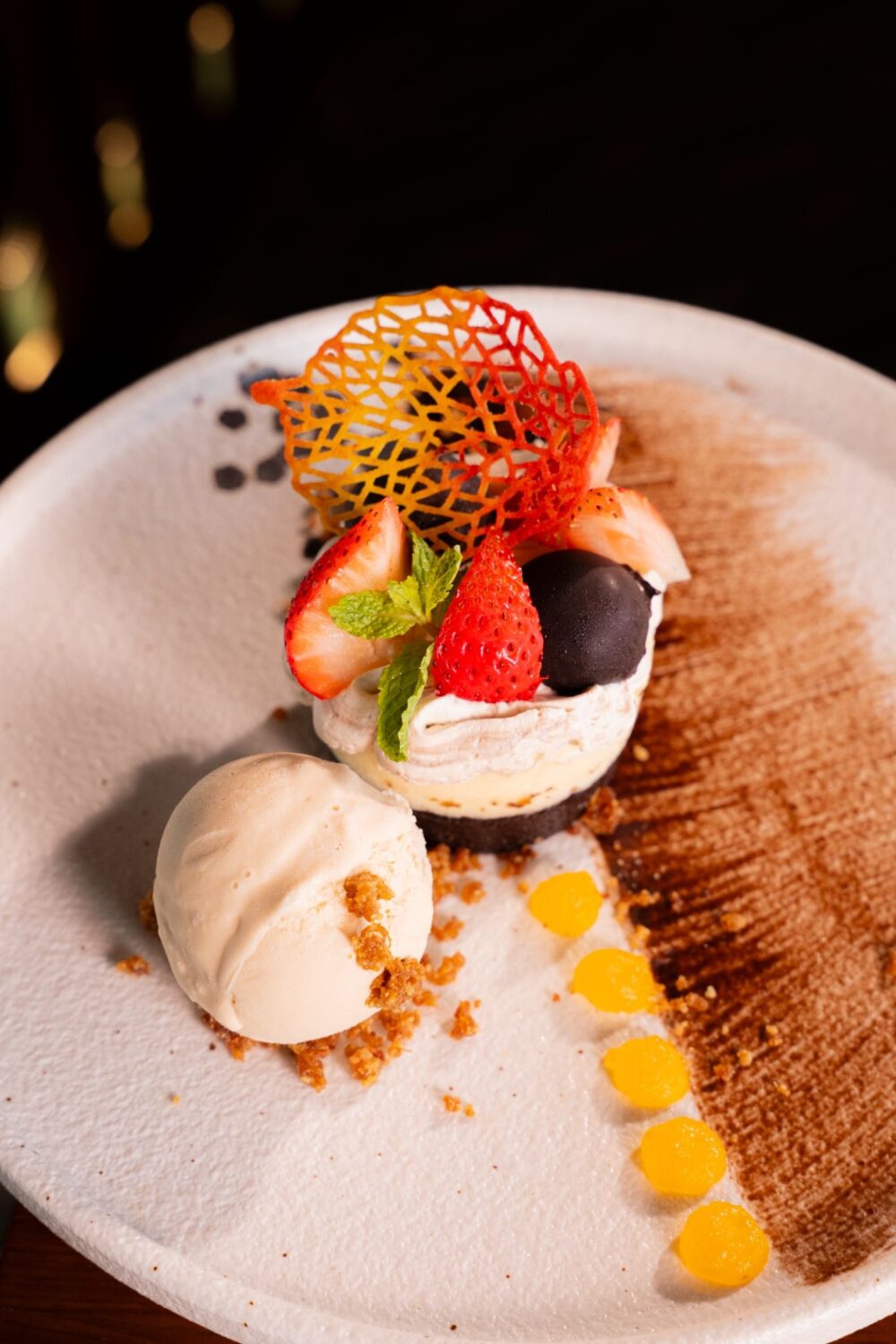
Today’s diners are looking for more than just food, they want a story. Menu engineering allows brands to communicate identity, culture, and creativity.
The fusion of Peruvian and Japanese influences, seen in dishes like Tuna Nikkei Cebiche or cocktails like Saitama Spritz, creates a unique narrative that differentiates the brand.
Even small details, like describing ingredients, origins, or preparation methods, add depth and intrigue. When guests feel connected to what they’re ordering, they’re more likely to explore, share, and return.
The Digital Advantage: Data-Driven Decisions
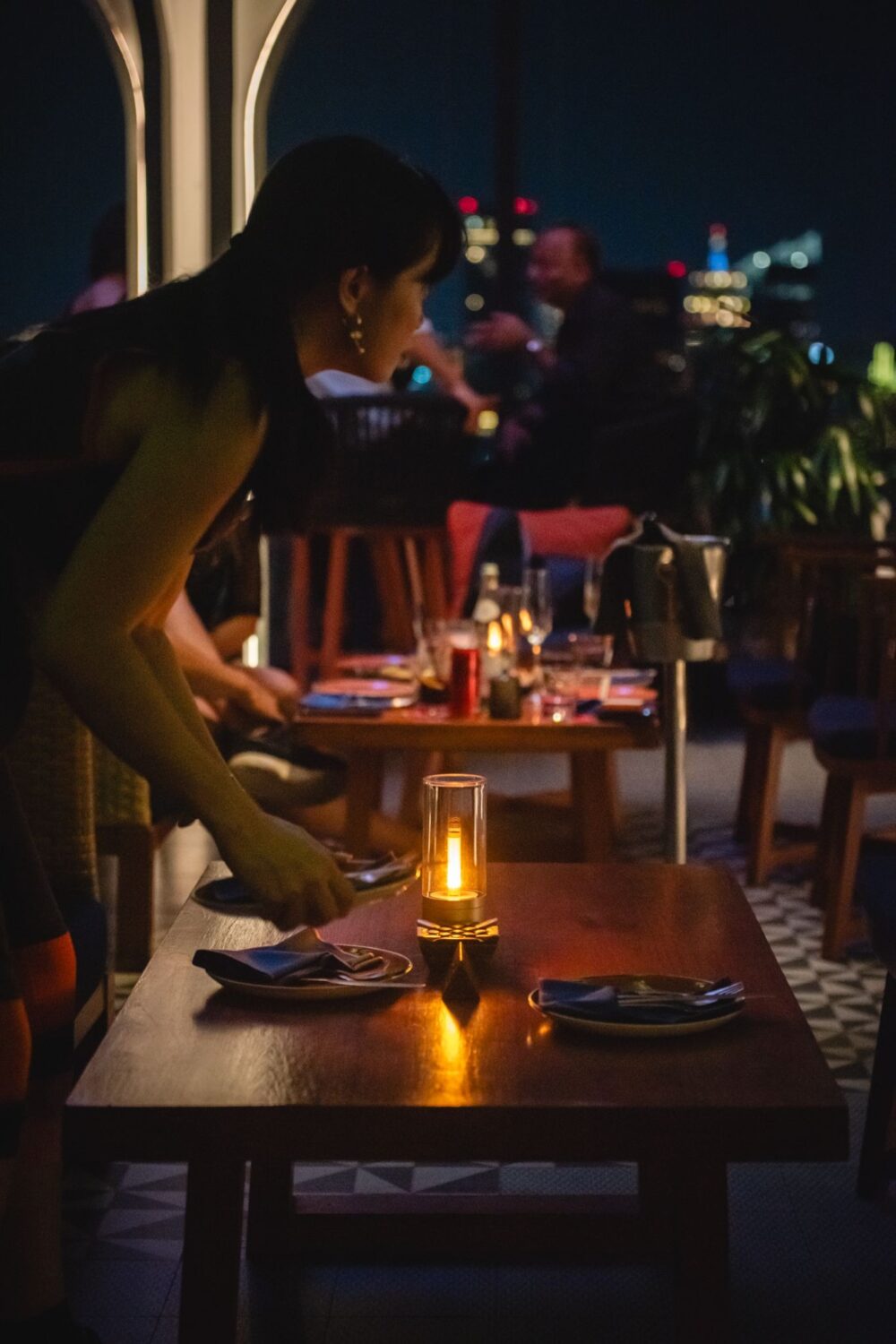
Modern menu engineering goes beyond intuition, it’s powered by data.
By tracking:
- Best-selling items
- High-margin dishes
- Guest preferences
- Seasonal trends
Restaurants can continuously refine their menus.
For example, if a cocktail like the Mango & Chili Pisco Sour consistently performs well, it can be repositioned as a signature highlight.
Similarly, underperforming dishes can be reworked, repositioned, or removed entirely, keeping the menu fresh and efficient.
Everyone Wins
At its core, menu engineering is about alignment.
- Guests enjoy a smoother, more engaging dining experience
- Teams work more efficiently with clear structure and focus
- Businesses increase profitability through smarter design
It’s not about manipulation, it’s about intention. Guiding choices, simplifying decisions, and delivering value at every touchpoint.
For hospitality brands like Soho Hospitality, this approach transforms menus into strategic assets, ones that drive growth while elevating every aspect of the dining journey.
Because when menus are designed with purpose, everyone wins.
Service provided by Soho Hospitality.
Photo credits: Christopher O’Grady.