


Most recently, at the Thailand Tourism Forum (www.thailandtourismforum.com) hosted by C9 Hotelworks (www.c9hotelworks.com) and my friend Bill Barnett, I had the opportunity to lead a session on Third Spaces, a concept coined by Ray Oldenburg in his book The Great Good Place. A third space refers to the social environment that exists between our home (“the First Space”) and work (“the Second Space”), a neutral ground where people gather, connect, and build relationships outside of obligation or routine.
While the term was introduced in the 1980s, it has arguably never been more relevant than it is today. Post-COVID, hybrid work policies have fundamentally reshaped how and where we spend our time, creating a growing need for environments outside the office that still offer structure, energy, and human interaction. At the same time, Gen Z, despite being hyper-digitally connected, often experiences increasing levels of loneliness and social fragmentation. This paradox is driving a powerful desire for physical spaces that foster authentic, real-world connection and shared experiences.
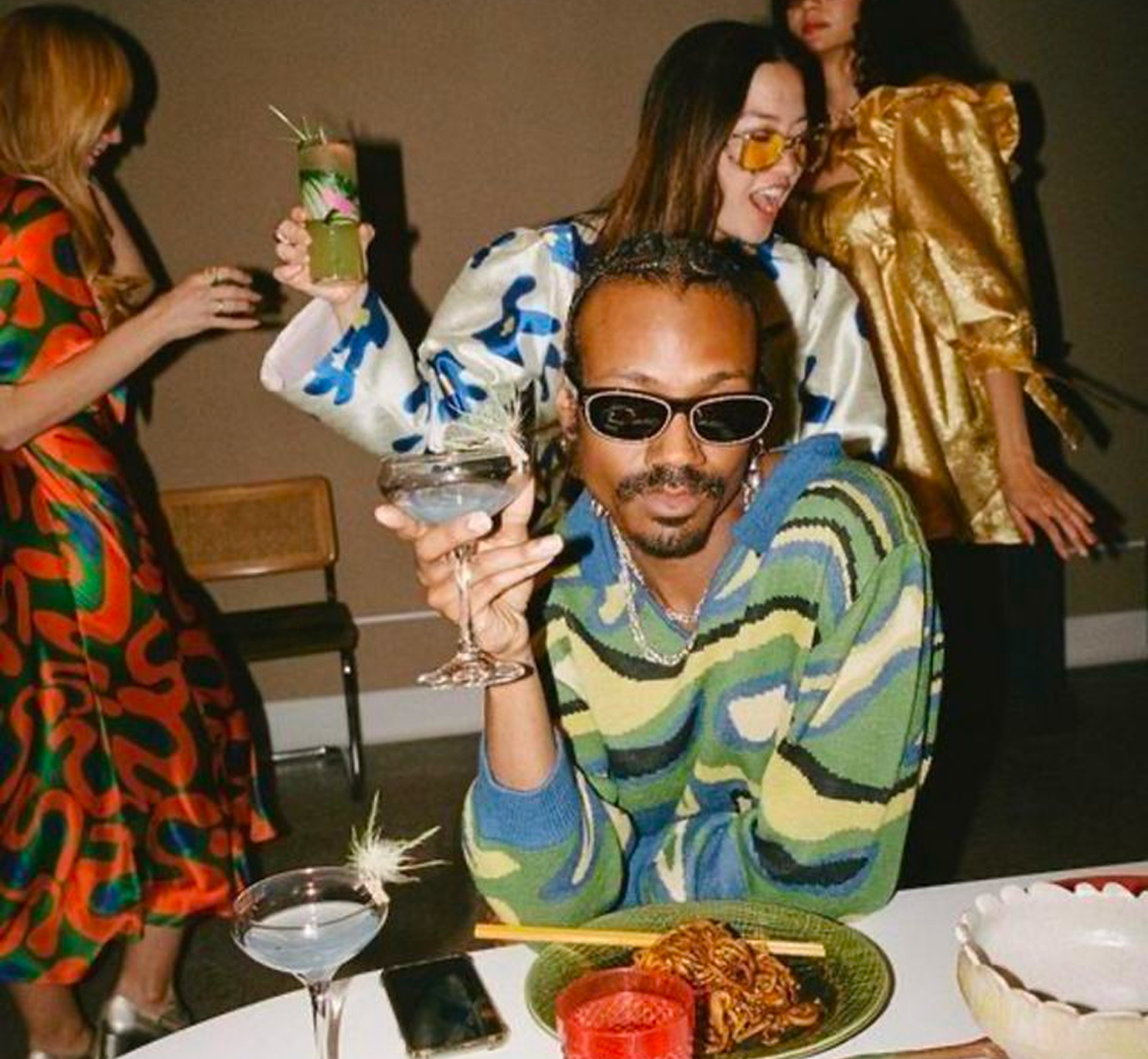
Importantly, a third space isn’t defined by its physical format. It is defined by a feeling. It is about belonging, accessibility, social connectivity, and community. A third space can exist in many forms: a café, a bar, a restaurant, a coworking hub, a members’ club, a bookstore, or even a sports facility. What matters is whether people feel comfortable returning regularly, forming relationships, and identifying with the space as their own.
There are compelling examples globally and locally. Social clubs such as Soho House have reinterpreted what were once aristocratic gentlemen’s clubs into inclusive communities catering to younger, creative audiences. Hotel brands like citizenM have designed multipurpose lobbies that seamlessly blend socialising, dining, and working into a single fluid environment. Closer to home, Pad Thai Padel has transformed a paddle tennis facility into a genuine community hub — a place where people come not only to play, but to connect, linger, and belong.
A recurring question during the discussion was whether third spaces can actually generate revenue. Starbucks is a well-known example. After opening its cafés to the public without requiring purchases, the company later reversed aspects of this policy following a significant stock price decline. The takeaway is nuanced: turning a restaurant or bar into a third space does not automatically translate into immediate, transactional revenue.
However, building a community around a business creates long-term economic value. While the financial impact may not be immediate or linear, strong communities drive brand affinity, awareness, frequency of visits, word-of-mouth marketing, and higher lifetime customer value. They increase resilience during downturns and reduce customer acquisition costs over time. Third spaces are not just cultural assets; when executed intentionally, they become powerful balance sheet drivers.
At Soho Hospitality, we are currently working with our startegy teams to evolve our nightclub Apt 101 into a Third Space. Due to the way the space was designed, it has the potential to be so much more than a night time venue and we are going to be adding more social, wellness and networking activations in order to build a community around the brand.
In a world that feels increasingly fragmented, businesses that design for belonging, not just consumption, will be the ones that endure.